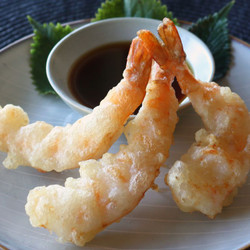
Chef John's Easy Crispy Shrimp Tempura: Unlock the Secret to a Feather-Light Batter
Are you ready to transform your home cooking and achieve perfect shrimp tempura, just like in your favorite Japanese restaurants? Forget soggy, heavy coatings and curled-up shrimp. Inspired by culinary maestro Chef John, this guide will unveil the simplest, most effective method for crafting shrimp tempura with an incredibly thin, yet supremely crispy shell. This isn't just a recipe; it's a philosophy for achieving what many consider the ultimate fried shrimp experience.
For too long, home cooks have wrestled with tempura, only to be met with disappointment. The batter turns out thick, the shrimp stubbornly curls, and the magic of that delicate crunch remains elusive. Chef John's approach, refined through countless trials, promises to demystify the process, delivering a result where the sweet, perfectly cooked shrimp shines through its barely-there, golden armor. If your ideal shrimp tempura isn't a "fritter" but a testament to culinary elegance, then you've come to the right place.
The Quest for the Perfect Thin & Crispy Tempura Batter
The hallmark of exceptional shrimp tempura lies in its batter – an ethereal coating that provides crunch without overwhelming the delicate flavor of the shrimp. Chef John's secret weapon for this is strikingly simple: ice-cold sparkling water, mixed into your batter right before frying. This isn't a mere suggestion; it's a critical component for achieving that coveted, almost translucent crispness.
- The Power of Cold: Using ice-cold water, especially sparkling water, is paramount. The cold temperature inhibits gluten development in the flour. Less gluten means a lighter, crispier, and more delicate batter. Furthermore, the carbonation in sparkling water creates tiny air pockets, contributing to that airy, shatteringly crisp texture when fried.
- Timing is Everything: Prepare your batter just moments before it's time to fry. Letting the batter sit for too long allows it to warm up and for gluten to begin forming, negating the benefits of the cold water. Plan your mise en place so that your batter is the last thing you mix before the shrimp hits the oil.
- Minimal Mixing: Resist the urge to overmix the batter. A few lumps are perfectly acceptable – even desirable! Overmixing develops gluten, leading to a chewy, heavy coating rather than the light, crispy shell we're aiming for. A gentle stir to just combine the ingredients is all you need.
Many people find their homemade tempura to be a pale imitation of restaurant quality. The difference often comes down to these seemingly small details. Embracing Chef John's philosophy on batter construction means saying goodbye to thick, doughy coverings and embracing a delicate crispness that truly elevates the shrimp.
Mastering the Shrimp: Straightness and Freshness
Even with the perfect batter, a perfectly cooked and presented shrimp tempura requires proper shrimp preparation. One of the most common frustrations is shrimp curling up into tight little balls when they hit the hot oil. Restaurants manage to keep them perfectly straight, and now you can too. The secret lies in a few precise steps that ensure your shrimp maintains its elegant form.
- Choose Wisely: Start with large, high-quality shrimp. Extra-large or jumbo shrimp are ideal as they offer a more substantial bite and are easier to work with. Freshness is key, so source the best you can find.
- Prep for Success:
- Peel and Dry: Carefully remove the shell from the shrimp, but make sure to leave the tail intact. The tail provides a convenient handle for dipping and frying, and it also adds to the aesthetic appeal of the finished dish. Once peeled, thoroughly pat the shrimp dry with paper towels. Excess moisture is the enemy of crispiness, as it will cause the oil to spatter and the batter to steam rather than fry.
- Strategic Incisions: Lay the shrimp belly-side up on a cutting board. Make 4-5 small, shallow vertical incisions along the belly of each shrimp. These cuts disrupt the muscle fibers that cause the shrimp to curl.
- The "Snap" Technique: Flip the shrimp over so it's belly-side down. Using your fingertips, gently but firmly press down along the length of the shrimp, starting from the tail and working your way up to the head. You should hear a slight "snap" as the shrimp straightens out. Be careful not to press too hard, or you risk splitting the shrimp. Don't worry if the incisions look prominent; the batter will beautifully conceal them.
This meticulous preparation not only prevents curling but also helps ensure the shrimp cooks evenly. For a deeper dive into this essential technique, you might find valuable insights in our article, Master Straight & Crispy Shrimp Tempura: No More Curling.
The Frying Finale: Immediate Enjoyment is Key
With your perfectly prepped shrimp and ice-cold batter ready, the final stage is frying. This is where your shrimp tempura comes to life, but the experience isn't complete until you serve and savor it correctly.
- Oil Temperature Matters: Maintain your frying oil at a consistent temperature, typically around 350-375°F (175-190°C). Too cold, and the tempura will absorb too much oil and become greasy; too hot, and the batter will burn before the shrimp cooks through. Use a thermometer for accuracy.
- Light Dredging: Before dipping into the batter, give your straightened shrimp a very light dredge in a little flour. This thin layer helps the batter adhere better and creates an even crispier surface.
- Frying Technique: Dip each shrimp into the cold batter, letting any excess drip off. Gently lower the shrimp into the hot oil, frying in small batches to avoid overcrowding the pan, which can drop the oil temperature. Fry until golden brown and crispy, typically only 2-3 minutes per side.
- Serve Immediately: This is arguably the most crucial tip for enjoying shrimp tempura at its peak. Chef John rightly states that "letting these sit around getting cold is a crime against nature." The delicate crispiness is fleeting and best enjoyed almost as soon as it emerges from the oil. Have your guests gathered around, ready to pluck these beauties from the cooling rack and dip them into your favorite tempura sauce or a sprinkle of sea salt. This immediate gratification is part of the joy of tempura.
Beyond Shrimp: Versatility and a Dash of History
While this article focuses on shrimp tempura, Chef John emphasizes that this versatile technique isn't limited to just crustaceans. Many other ingredients can benefit from this light, crispy batter. Think delicate slices of sweet potato, broccoli florets, asparagus spears, or even thin cuts of fish. The principles remain the same: cold batter, minimal gluten development, and immediate enjoyment.
And here's a fun fact to share as you gather with friends, enjoying your perfectly crispy creations: tempura, widely considered a quintessential Japanese dish, isn't actually a native invention. The technique was introduced to Japan by Portuguese missionaries and traders in the 16th century. They brought with them a method of frying seafood and vegetables during "Tempora" (Latin for "time"), a period of abstinence from meat during which fish and vegetables were consumed. The Japanese adapted this foreign frying method, refining it into the delicate culinary art form we know today. Who knew that your perfectly prepared shrimp tempura has such a rich, international heritage?
Conclusion
Achieving truly exceptional shrimp tempura with a thin, crispy batter is no longer a culinary enigma. By following Chef John's straightforward yet brilliant techniques – from the ice-cold sparkling water batter to the precise shrimp preparation that ensures straight, perfectly cooked pieces – you can elevate your home frying game to a professional level. Remember the golden rules: cold batter, dry shrimp, and immediate enjoyment. Embrace these secrets, and prepare to delight yourself and your guests with an experience that's far removed from the heavy fritters of the past. Your journey to perfect, light, and crisp shrimp tempura starts here!
