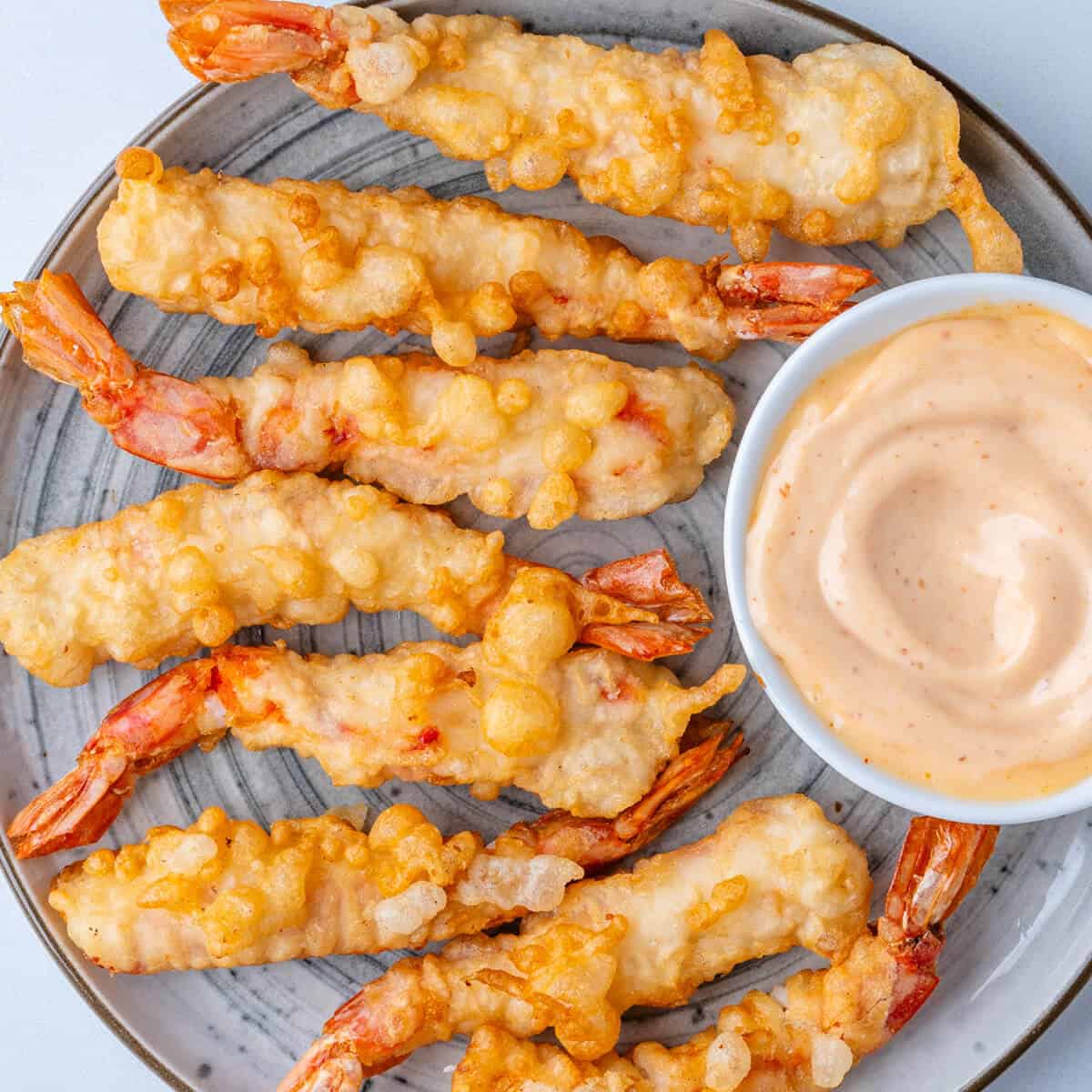
There's something uniquely satisfying about perfectly executed shrimp tempura. It's an appetizer that transcends mere snacking, offering a symphony of textures and flavors – the sweet succulence of the shrimp encased in a delicate, almost ethereal, yet undeniably crispy shell. For many home cooks, however, achieving that restaurant-quality standard can feel like chasing a culinary unicorn. Does your shrimp curl up into a tight ball? Is your batter thick and heavy, rather than light and airy? Are you left with a soggy disappointment instead of a golden-fried dream?
You're not alone. The journey to perfect shrimp tempura is often fraught with common pitfalls. But what if we told you there’s a simpler, more effective path to unlocking that ultimate result: a perfectly cooked, straight shrimp enveloped in a whisper-thin, incredibly crispy coating? Forget the heavy, fritter-like batters. This guide will walk you through the essential techniques and secrets to ensure your homemade shrimp tempura is straight, remarkably crispy, and best enjoyed fresh from the fryer.
The Quest for the Ultimate Shrimp Tempura: Beyond the Ordinary
Many methods for making shrimp tempura exist, but few deliver the truly sublime experience of a barely-there, yet intensely crispy, shell that allows the natural beauty of the shrimp to shine through. The goal isn't to create a heavy, breaded fritter that masks the delicate flavor of the seafood. Instead, the aim is an extremely thin, almost translucent coating that provides a delightful crunch without overwhelming the star ingredient.
The common frustrations often stem from two main issues: shrimp that curl excessively upon hitting the hot oil, and batters that turn out soggy or overly thick. These challenges can make even seasoned home cooks shy away from attempting shrimp tempura at home. However, with a few crucial insights and preparation techniques, these hurdles become easily surmountable. We're talking about a method that simplifies the process while maximizing the wow factor, ensuring every bite is a testament to culinary precision and freshness.
Mastering the Shrimp: The Straight Secret
One of the most striking characteristics of professional shrimp tempura is the beautifully straight presentation of the shrimp. This isn't just for aesthetics; it allows for even cooking and a more consistent batter coating. The secret lies entirely in how you prepare the shrimp before it even comes near the batter. As shrimp cook, their muscle fibers naturally contract, causing them to curl. To counteract this, we need to strategically manipulate those fibers.
Choosing the Right Shrimp
Start with the best ingredients. For shrimp tempura, larger shrimp are always preferred. Think extra-large or jumbo. Not only do they make for a more substantial and satisfying bite, but they are also easier to handle during the preparation and frying stages. Freshness is paramount, so source high-quality shrimp whenever possible.
Prepping for Straightness: A Step-by-Step Guide
- Peeling and Deveining: Gently remove the shell from the shrimp, but here’s a crucial tip: leave the tail on. The tail not only adds to the aesthetic appeal but also provides a convenient handle for dipping and eating. Devein the shrimp thoroughly.
- Drying is Key: After peeling, place the shrimp on a plate lined with paper towels and pat them vigorously until they are as dry as possible. Moisture is the enemy of crispiness, both for the batter and for preventing oil splatters.
- The Incision Technique: Place each shrimp belly-side up on a cutting board. Using a sharp knife, make 4-5 small, shallow vertical incisions along the belly. These cuts interrupt the muscle fibers that cause curling.
- The "Snap" Method: Flip the shrimp over so it's belly-side down. Using your fingertips, gently press down and along the length of the shrimp, starting from the tail and working your way up. You should feel (and sometimes hear) a slight "snap" as the muscle fibers release and the shrimp lengthens. Be firm but careful not to press so hard that the shrimp splits in two. Don't worry if the incisions look prominent; the batter will beautifully conceal them.
This careful preparation is the cornerstone of achieving that elegant, straight finish. For more detailed visual guidance on this technique, you might find resources like Master Straight & Crispy Shrimp Tempura: No More Curling incredibly helpful.
The Art of the Batter: Unlocking Paper-Thin Crispness
With your shrimp perfectly prepped, the next crucial component is the batter. This is where the magic of "thin but crispy" truly happens. The secret lies in simplicity, coldness, and minimal mixing.
Ingredients for the Perfect Batter
- Ice-Cold Sparkling Water: This is non-negotiable. The effervescence from the sparkling water contributes to a lighter, airier texture, while its ice-cold temperature is vital for inhibiting gluten development in the flour. Less gluten means a more tender, crispier batter.
- All-Purpose Flour: Keep it simple. A standard all-purpose flour works wonderfully.
- Egg: A single egg or egg yolk helps bind the batter and adds richness.
The Cold Batter Philosophy
A cold batter is a crispy batter. This isn't just a saying; it's a scientific fact. When a cold batter hits hot oil, the rapid temperature differential creates more steam, which in turn creates a lighter, crispier crust. To maintain this crucial coldness, make your batter right before you're ready to fry, and if possible, keep the bowl over another bowl of ice water.
Mixing for Success (or Lack Thereof)
Unlike other batters where smooth consistency is the goal, tempura batter thrives on imperfection. Combine your ice-cold sparkling water, egg, and flour with just a few stirs. Lumps are not just acceptable; they are desired! Overmixing develops gluten, leading to a tough, chewy coating – the exact opposite of what we want. A light, almost clumpy batter is the secret to that coveted thin, airy crispness. Chef John's approach, which emphasizes an "extremely thin, but still very crispy, coating," perfectly encapsulates this philosophy, as further explored in Chef John's Easy Crispy Shrimp Tempura: Thin Batter Secrets.
The Double-Dredge Technique
Before dipping your prepped shrimp into the batter, give them a light dusting of dry flour. This creates a surface for the batter to adhere to more effectively, ensuring an even, thin coating.
Frying to Perfection: Heat, Timing, and the Immediate Reward
With your shrimp and batter ready, it’s time for the grand finale: frying. This step requires attention to detail, but the payoff is immense.
Oil and Temperature
Choose a neutral-flavored oil with a high smoke point, such as vegetable, canola, or grapeseed oil. Heat your oil to approximately 350-375°F (175-190°C). Maintaining a consistent oil temperature is crucial. If the oil is too cold, the tempura will absorb too much oil and become greasy. If it's too hot, the batter will burn before the shrimp cooks through. Use a thermometer, or test with a small drop of batter – it should sizzle immediately and float to the surface.
The Frying Process
- Dip and Drip: Lightly coat each dry, floured shrimp in the cold batter, letting any excess drip off. The coating should be thin.
- Fry in Batches: Gently lower a few shrimp into the hot oil. Do not overcrowd the pan, as this will drop the oil temperature and lead to soggy results. Fry in small batches, giving each shrimp enough space.
- Golden Perfection: Fry for 2-3 minutes, flipping once, until the batter is a beautiful pale golden-brown and exquisitely crispy. The shrimp inside will be perfectly cooked through.
The Immediate Reward
This is arguably the most critical step for optimal enjoyment: shrimp tempura must be eaten almost immediately after it comes out of the fryer. The crispiness is fleeting, and waiting too long is, as one chef put it, "a crime against nature." The best way to enjoy it is to have your guests gathered around, ready to pluck those beauties from the oil (after a quick drain on a wire rack to remove excess oil) and enjoy them while they are still piping hot and at their peak crispiness. Serve with a traditional tempura dipping sauce (tentsuyu) or simply a sprinkle of sea salt.
A Culinary Journey: The History and Joy of Freshly Fried Tempura
While often synonymous with Japanese cuisine, the fascinating truth is that the technique for tempura was actually introduced to Japan by Portuguese missionaries in the 16th century. Who knew this beloved Japanese dish had European roots? This historical tidbit makes for a fun conversation starter as you share your freshly fried shrimp tempura with friends.
Beyond its intriguing history, shrimp tempura is a dish designed for shared enjoyment. Whether served as a standalone appetizer, nestled alongside a bowl of Zaru Soba, or as part of a larger meal, its delicate crunch and sweet interior offer a moment of pure culinary delight. The effort in preparation is more than worth it for the light, airy, and intensely crispy experience you'll create.
Unlocking perfect shrimp tempura at home is not an unattainable dream. By focusing on proper shrimp preparation to keep them straight, mastering the art of the ice-cold, minimally mixed batter, and understanding the nuances of hot oil and immediate enjoyment, you can achieve results that rival your favorite Japanese restaurants. Give these techniques a try, and prepare to impress yourself and your guests with truly straight, crispy, and fresh shrimp tempura.
